Can Body Contouring Farmington Hills Help You Reach Aesthetic Goals?
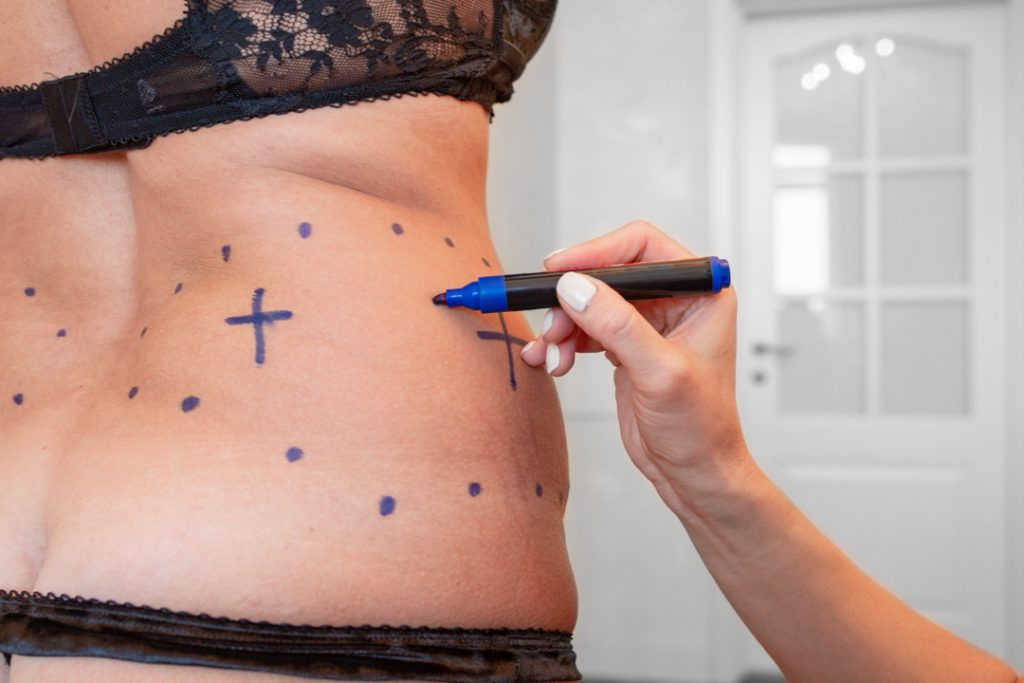
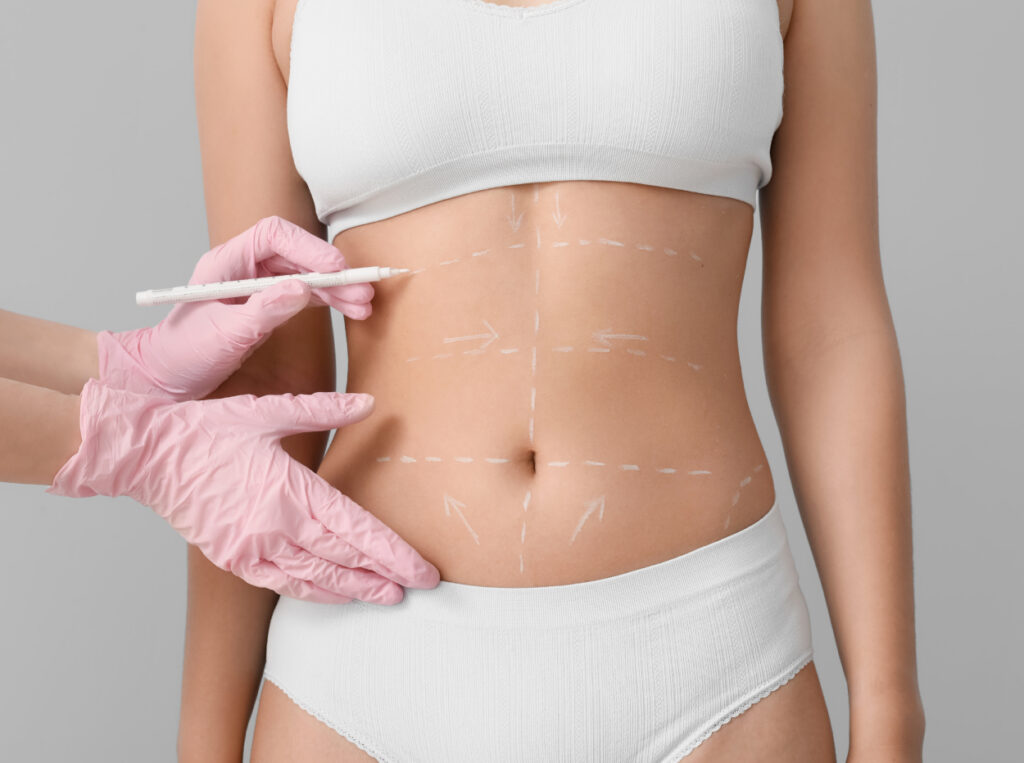
Body contouring sits in an interesting place in aesthetic medicine. It is not a substitute for weight loss, and it is not magic. Yet for the right person, at the right time, it can solve a stubborn problem that diet and exercise simply do not touch. That is why so many conversations about body image, confidence, and proportion eventually lead here.
If you have been looking into Body Contouring Farmington Hills options, the first thing worth understanding is what these treatments are actually meant to do. Most body contouring procedures target shape rather than scale. In plain terms, they are designed to refine how your body looks in specific areas, not to transform your entire frame overnight. A patient might be close to their goal weight, wear mostly the size they want, and still feel frustrated by fullness under the chin, a soft lower abdomen after pregnancy, or bulges at the flanks that ignore every workout plan. That is the kind of frustration body contouring addresses best.
The real question is not whether body contouring works in some broad, abstract sense. The better question is whether it matches your goals, your timeline, your tolerance for downtime, and the reality of your anatomy.
What body contouring can realistically change
Aesthetic goals are often described in broad terms. People say they want to look fitter, smoother, tighter, or more balanced. Those are valid goals, but they need translating into something a treatment can actually accomplish.
Body contouring typically helps with localized concerns. Think of the lower belly that still protrudes despite a stable weight, the bra-line fullness that shows through fitted clothing, or the outer thigh shape that throws off the silhouette of jeans and dresses. In those cases, the issue is less about total body fat and more about distribution. Human bodies are not symmetrical sculptures. They store fat according to genetics, hormones, age, and life events. Even disciplined habits do not erase that.
A patient I once heard described by a clinician had trained for several half marathons and kept her weight within a narrow five-pound range for years. From the outside, she looked lean and athletic. Her concern was a modest but noticeable lower abdominal pouch left after two pregnancies. She did not need a dramatic intervention. She wanted smoother lines in clothing and less fixation every time she got dressed. That is a classic body contouring case: a focused concern, a realistic expectation, and a specific aesthetic objective.
This distinction matters because disappointment often starts when people expect body contouring to do the work of weight management, strength training, or skin repair all at once. One treatment may reduce small pockets of fat. Another may stimulate collagen and mildly improve firmness. A surgical procedure may create the most dramatic reshaping but will involve recovery, swelling, https://www.behance.net/ardwaterproof and a bigger financial commitment. No single option does everything equally well.
The most common goals people bring into consultation
Most aesthetic goals fall into a few familiar categories, though people describe them in personal terms. One person wants to feel comfortable in photographs. Another wants work clothes to fit better across the waist. Someone else is tired of buying a larger size just to accommodate one problem area.
Usually, the goals include some combination of these concerns:
- reducing stubborn fat in a specific area
- improving body proportion rather than losing overall weight
- smoothing the look of clothing on the midsection, arms, thighs, or flanks
- restoring confidence after pregnancy or weight changes
- addressing mild skin laxity along with contour irregularities
What stands out in real consultations is how practical these goals tend to be. People are not always chasing perfection. More often, they want relief from a recurring annoyance. They want to stop tugging at tops that cling to one area, avoid arranging themselves a certain way in pictures, or feel less self-conscious in a swimsuit. Those are meaningful outcomes, even when the physical changes are modest.
Non-surgical versus surgical approaches
The phrase body contouring covers a wide range of treatments, and the differences are not minor. Non-surgical options often appeal to people who want little to no downtime, gradual improvement, and a less invasive path. These may use cooling, heat, radiofrequency, ultrasound, or injectable methods to reduce localized fat or tighten tissue. The trade-off is that results are often subtler and may require multiple sessions. Patience matters.
Surgical contouring, such as liposuction or skin removal procedures in appropriate candidates, usually produces more visible and immediate structural change. That is particularly true when there is a larger volume of fat, significant laxity, or anatomy that cannot respond enough to non-surgical treatment. The trade-off here is obvious: more recovery, more swelling, more expense, and a higher threshold for accepting risk.
In Farmington Hills, as in many established suburban markets, interest tends to span both categories. Some patients are professionals who cannot afford much downtime and prefer incremental improvement. Others have spent years trying to manage a specific concern and have reached the point where they want a more decisive correction. Neither approach is inherently better. The fit depends on the problem being treated and how much change the patient actually wants.
A useful rule of thumb is this: if the issue is small and localized, non-surgical treatment may be enough. If there is substantial excess skin, muscle separation, or a large amount of tissue to remove, a non-surgical device is unlikely to deliver the outcome the patient pictures in their head.
Why timing matters more than people expect
One of the most overlooked parts of body contouring is timing. A person may be an excellent candidate in six months and a poor candidate today. That can be frustrating to hear, but it often saves money and disappointment.
Consider someone actively losing weight. Their body is still changing. Treating a localized area in the middle of a larger transformation can make little sense, especially if more fat loss is expected or skin laxity may change. The same goes for someone planning pregnancy in the near future. If the abdomen is the target area, it may be more practical to wait. Hormonal shifts, stretching, and postpartum changes can alter results significantly.
Stable weight is one of the strongest predictors of satisfaction. It does not have to mean perfect consistency down to the pound, but large fluctuations make planning harder. If your weight tends to move up and down by 15 or 20 pounds, the body you contour today may not look the same next year.
Age also enters the picture, not because there is a narrow ideal age range, but because tissue quality changes over time. Skin elasticity at 32 is different from skin elasticity at 52. That does not disqualify anyone. It simply affects which treatment makes sense. A younger patient with firm skin and a small amount of pinchable fat may respond well to a non-surgical option. An older patient with crepey or lax skin may need a more comprehensive approach to see meaningful improvement.
The role of skin quality, which people often underestimate
When patients imagine contouring, they usually picture fat reduction. Clinicians, however, spend just as much time assessing skin. That is because removing volume does not automatically create a smooth finish. In some cases, less volume can actually reveal looseness that was less obvious before.
This matters most in areas like the abdomen, upper arms, inner thighs, and under the chin. If skin still has decent recoil, a conservative fat reduction may lead to a cleaner contour. If the skin is significantly stretched, especially after major weight loss or multiple pregnancies, fat reduction alone may leave the area looking deflated rather than refined.
This is where expectations need careful handling. A patient may say, “I just want this little belly gone,” while the provider sees abdominal laxity, muscle separation, and stretch-related skin changes. Treating only the fat would not solve the full problem. Good consultation is not about agreeing to everything a patient requests. It is about clarifying what is actually possible.
In practical terms, this is why photos of idealized results online can be misleading. You may be comparing your abdomen, which has loose skin and postpartum changes, to the outcome of someone with tight skin and a small, isolated fat deposit. Same general treatment category, very different starting points.
Can Body Contouring Farmington Hills deliver natural-looking results?
Yes, often it can, if the plan is conservative and individualized. The best results usually look unremarkable in the best sense of the word. People may notice you look slimmer, smoother, or more put together without being able to identify why. That subtlety is often exactly what patients want.
Natural results come from respecting proportion. Over-treating one area can create a mismatch with the surrounding body. For example, aggressively reducing fat from the abdomen without considering the flanks may leave the waist looking abrupt. Treating the under-chin area without regard to jawline structure and skin tone can produce improvement, but not harmony. Skilled body contouring is less about subtraction alone and more about shape.
This is one reason consultation should include movement, posture, and clothing patterns, not just static photos. Bodies do not exist under overhead exam lights all day. They bend, twist, sit, and carry fabric in different ways. What bothers someone most may show up only when they sit in a work chair or wear a fitted knit dress. Those details matter.
Patients in Body Contouring Farmington Hills consultations often bring lifestyle-based goals rather than abstract beauty standards. They want to look better in golf clothes, wedding attire, summer tops, or workout wear. Those practical reference points are helpful because they anchor the treatment plan in lived experience.
Where body contouring tends to work best
Certain areas respond more predictably than others. The submental area under the chin often shows visible refinement with relatively small changes because even slight reduction can sharpen the profile. Flanks are another common target because trimming them can make the waist appear narrower without changing overall weight much. Lower abdominal fullness can improve too, provided the issue is truly localized fat and not primarily loose skin or muscle separation.
Arms and thighs can be more variable. These areas are sensitive to skin quality, and patients often want a smooth, taut look that fat reduction alone may not create. Back and bra-line fullness can respond nicely in some cases, particularly when the tissue is discrete and well-defined. Knees are sometimes overlooked, but for a few patients, contouring there makes a noticeable difference in fitted clothing or dresses.
The point is not that some areas are “good” and others are “bad.” It is that each zone has its own behavior. A provider who treats bodies every week develops an eye for which concerns are likely to respond and which ones need a more layered strategy.
How to judge whether you are a strong candidate
Candidates do not need perfect bodies or perfect habits. They do need a realistic understanding of what contouring can and cannot do. In general, the strongest candidates are relatively close to their preferred weight, have a specific area they want to address, and are prepared to maintain results with stable routines afterward.
A few signs usually suggest someone is approaching body contouring at the right time:
- your weight has been fairly stable for several months
- the concern is localized rather than widespread
- you can describe a shape goal, not just a number on the scale
- you understand that results may take weeks or months to settle
- you are willing to follow aftercare and long-term maintenance advice
There is also an emotional component that rarely gets enough attention. Body contouring works best for people seeking refinement, not rescue. If someone believes a cosmetic procedure will fix a broader dissatisfaction with their appearance or life, the odds of disappointment rise. The treatment can improve a contour. It cannot rewrite self-worth.
What the consultation should feel like
A strong consultation is specific, not salesy. You should leave with a clear sense of what is being treated, what the chosen method can realistically achieve, how long results may take, and what recovery or upkeep might involve. If those basics are vague, that is a problem.
Good providers ask pointed questions. Has your weight been stable? Have you had pregnancies, surgeries, or major weight changes? What bothers you in and out of clothing? Are you hoping for subtle refinement or a more dramatic reshaping? How much downtime can you accept? Those questions are not filler. They are what separate a plan that fits from one that merely sounds appealing.
You should also expect an honest discussion about trade-offs. A non-surgical treatment may allow you to return to work quickly, but it may require more than one session and produce only moderate change. A surgical option may offer more significant reshaping, but with bruising, swelling, compression garments, and several weeks before the final contour appears. Mature decision-making depends on hearing both sides.
One detail people appreciate later is when a provider explains not only what they recommend, but what they do not recommend and why. Hearing, “I would not treat this area non-surgically because I do not think you would be happy with the degree of change,” is often a sign of professionalism, not discouragement.
The recovery reality
Even treatments marketed as easy can involve temporary swelling, tenderness, numbness, firmness, or bruising. That does not mean something has gone wrong. It means tissue has been treated and needs time to respond.
Non-surgical treatments may have little formal downtime, but “no downtime” is not always the same as “no recovery experience.” A patient can return to work and still feel sore in fitted pants or notice swelling by evening. Surgical contouring obviously carries a more involved recovery arc. People often feel functional before they look fully healed. That gap can be psychologically tricky if expectations were not set properly.
The timeline for visible results also varies. Some changes appear gradually over six to twelve weeks, sometimes longer depending on the modality and the area treated. Swelling can mask early results. That is why before-and-after timing matters when evaluating outcomes. A photo taken too soon may underrepresent the final effect.
Patience is part of the process, and it is one of the hardest parts for patients who are eager to see change after making a financial and emotional commitment.
Cost, maintenance, and value
Body contouring can be worth it, but “worth it” depends on your goal. If a subtle but targeted improvement would make you feel better every day in your clothes, many patients find the investment worthwhile. If you are seeking major body transformation from a low-commitment treatment, you may feel underwhelmed.
Value comes from alignment between expectation and result. I have seen modest procedures produce very high satisfaction because they solved a very specific frustration. I have also seen technically successful treatments fail to delight because the patient wanted a different level of change than the treatment could provide.
Maintenance matters too. Fat cells reduced in a treated area do not simply bounce back in the same way, but remaining fat cells can still enlarge if weight increases significantly. Skin will continue to age. Muscle tone still depends on activity. Contouring is best understood as a strategic assist, not a permanent override of biology.
When body contouring may not be the right move
Sometimes the best professional advice is to wait, redirect, or skip treatment altogether. If someone is early in a weight-loss journey, the body is still changing and a later intervention may be more effective. If the concern is mostly loose skin, a fat-reduction treatment alone may disappoint. If expectations are extreme, proceeding can set everyone up for frustration.
There are also people whose aesthetic goals are better served by fitness coaching, posture work, wardrobe tailoring, or simply reaching a stable weight first. That may sound less exciting than a procedure, but it is often the more useful path. Good aesthetic decision-making is not about doing something as quickly as possible. It is about choosing the option that fits the actual problem.
The bottom line on reaching aesthetic goals
Body contouring can absolutely help people reach aesthetic goals, but only when those goals are defined with precision and matched to the right method. The strongest results come from treating a localized issue, respecting skin quality, planning around stable weight, and understanding that refinement is not the same thing as reinvention.
For many people exploring Body Contouring Farmington Hills services, the value lies in finally addressing a detail that has lingered for years despite disciplined effort. Maybe it is the lower abdomen that never flattened after children. Maybe it is flank fullness that changes the way every pair of pants fits. Maybe it is the softness under the chin that appears in every side profile photo. Those are not trivial concerns when they repeatedly shape how you feel in your own body.
If you are considering treatment, the smartest first step is not choosing a device or chasing a trendy term. It is clarifying what you want to look different, how much change would truly satisfy you, and whether your body right now is ready for that change. Once those answers are clear, body contouring becomes much easier to evaluate, and much more likely to help.
Aesthetic Plastic Surgery & Laser Center, Michelle Hardaway M.D.
Address: 27920 Orchard Lake Rd, Farmington Hills, MI 48334
Phone number: +12482211957
FAQ About Body Contouring Farmington Hills
What does body contouring actually do?
Body contouring (or body sculpting) eliminates stubborn localized fat, tightens loose, sagging skin, and reshapes your silhouette. It is not a weight-loss tool, but rather a cosmetic procedure used to refine and tone specific trouble spots after major weight loss, pregnancy, or aging.
How much does body contouring usually cost?
The total cost of body contouring usually ranges from $2,000 to $25,000+ depending entirely on whether you choose non-surgical sessions or major surgical procedures.
Because "body contouring" covers everything from simple fat-freezing to comprehensive post-weight-loss surgeries, pricing is heavily categorized by the method used.
What is the best type of body contouring?
Liposuction is a huge topic and worth discussing in more detail, but in terms of body contouring and sculpting, nothing does the job better than liposuction, particularly VASER liposuction.